
Building Brand Identity: The Growth Engine from Visual to Experience
Introduction: Why Brand Identity Systems Make or Break Businesses
Brand identity systems are no longer optional enhancements—they are strategic essentials for business survival. In today's information-saturated digital age, consumers are bombarded with hundreds of brand messages daily. A chaotic, inconsistent brand image will be quickly forgotten. Data shows that companies with unified brand identity systems achieve 35% higher customer loyalty than competitors, boost brand premium capability by 25-30%, and improve cross-channel marketing efficiency by over 50%.
According to BrandGoGlobal's 2025 in-depth brand research report, 93% of Chinese consumers indicate they would increase purchase intent due to consistent brand experiences, 78% of B2B decision-makers believe brand identity professionalism directly influences supplier selection, and 85% of Gen Z consumers are willing to pay premiums for brands "with attitude and stories." These data clearly demonstrate: brand identity systems have shifted from "optional" to "essential" for business survival.
Customer Success Perspective: How Brand Identity Creates Real Value
From a Customer Success viewpoint, brand identity systems are the most critical bridge connecting enterprises with customers. Every customer votes with their time, money, and trust, and the brand identity system determines whether they continue to vote.
Real Customer Cases:
- A SaaS company increased customer retention rate from 62% to 78% and reduced customer support tickets by 35% after optimizing its brand identity system
- An e-commerce platform achieved 28% higher conversion rates and 15% increase in average order value through unified visual identity
- An education brand's user recommendation rate (NPS) rose from 45 to 72 after establishing a complete linguistic identity system
These cases prove that excellent brand identity systems can:
- Lower customer decision costs: Unified imagery makes brands easier to recognize and remember
- Build emotional connections: Consistent brand experiences generate trust and belonging
- Improve service efficiency: Standardized identity makes customer service more precise and efficient
- Create premium capability: Strong brand identity makes customers willing to pay more
New Trends in Brand Identity for the AI Era
With the proliferation of artificial intelligence technology, brand identity systems are experiencing unprecedented transformation. AI brand naming tools, intelligent design systems, personalized recommendation algorithms, and other technologies are reshaping the brand building process:
- Efficiency gains: AI can complete design work in hours that previously took weeks
- Improved precision: Through big data analytics, AI can more accurately understand target audience preferences
- Enhanced personalization: While maintaining core consistency, achieve personalized experiences for different users
- Real-time optimization: Continuously optimize brand identity effectiveness through real-time data analysis
However, technology is merely a tool—the true core remains the brand's value proposition and emotional connection. AI can help companies establish brand identity systems more quickly, but cannot replace the brand's cultural essence and emotional value.
In-Depth Analysis of the Seven Core Elements of Brand Identity Systems
A complete brand identity system consists of seven interrelated, mutually reinforcing elements that together constitute the brand's "DNA". Neglecting any element leads to fragmented brand identity and diminished brand influence. Let's explore these seven core elements in depth:
1️⃣ Brand Logo: The Visual DNA of Your Brand
The logo is the most impactful visual element in a brand identity system—the brand's "first impression." Research shows that 60% of consumers' initial perception of a brand comes from visual elements, with the logo being the most important component.
Four Characteristics of Excellent Logos:
High Recognition:
- Consumers can identify the brand within 0.1 seconds
- Unique graphic design that avoids confusion with competitors
- Tencent's penguin icon, Xiaomi's MI logo, and ByteDance's dynamic logo all achieve "instant recognition"
- Alibaba's "buy" icon combination is simple yet memorable
Cross-Media Adaptability:
- Maintains clarity from mobile app icons to large outdoor billboards
- NetEase Cloud Music's cloud logo remains highly recognizable at both 1 pixel and 100 pixels
- Pinduoduo's logo maintains recognizability even at extremely small sizes
Cultural Universality:
- Crosses cultural barriers, correctly understood across different markets
- Haier's "haier" logo maintains good recognition globally
- Li-Ning's "Chinese knot" elements preserve cultural characteristics while remaining understandable in international markets
Temporal Extensibility:
- Withstands the test of time, avoiding frequent changes that cause brand asset loss
- Coca-Cola's Spencer script logo has remained classic for over 130 years
- IBM's blue striped logo has undergone modernization over 50+ years while maintaining consistent core elements
Golden Rules for Logo Application:
Size Specifications:
- Minimum display size: not less than 6mm for print, 20px for digital media
- Safety area: maintain blank space equivalent to half the logo's height around the logo
- Prohibit stretching and distortion: maintain original aspect ratio to avoid recognition issues
Version Management:
- Main logo (complete version)
- Simplified version (for small spaces)
- Horizontal version (for horizontal layouts)
- Reverse version (for dark backgrounds)
- Monochrome version (for single-color printing)
Data Proof: Unified logo usage can improve brand recognition by over 45%. Tencent's penguin image has undergone multiple adjustments over 20+ years, but the core form has remained consistent, making the penguin image synonymous with the Tencent brand with over 95% recognition. Xiaomi ensures the MI logo remains consistent across all promotional materials for every new product release, allowing users to quickly associate new products with the brand.
2️⃣ Color System: The Emotional Language of Your Brand
Color is the most direct carrier of brand emotional communication and the most important clue for consumer brand memory. Psychological research shows that color can influence human emotions and behavior within 0.05 seconds—more than 10 times faster than text or graphics.
Scientific Composition of Color Systems:
Primary Color:
- The brand's most recognizable color, typically 1-2 colors
- Usage area should be controlled at 15-25% to avoid visual fatigue from overuse
- Tencent's "Tencent Blue" (#0052D9) remains consistent across all products, becoming a visual symbol of brand trust
- Xiaomi's "Orange" (#FF6700) has become a symbol of brand vitality and innovation
- ByteDance's colorful gradients reflect the brand philosophy of "diversity and innovation"
Secondary Color:
- Used to supplement and enrich the primary color, typically 3-5 colors
- Secondary colors are used for backgrounds, decoration, secondary information, etc.
- Alibaba's "Alibaba Orange" as primary color, paired with multiple secondary colors to build a complete color system
- Pinduoduo's red series paired with various secondary colors creates a lively and vibrant visual experience
Neutral Color:
- Basic colors like black, white, gray for text, dividers, and other basic elements
- Ensures brand readability and professionalism across various backgrounds
- Apple's black, white, and gray tri-color creates a high-end, concise visual experience
Emotional Color:
- Used for emotional expression in specific scenarios, such as red for promotions, green for success, etc.
- Define specific emotional colors based on brand positioning and target audience
- JD.com's red is used not only for brand identity but also for promotional activities, creating strong visual impact
Psychological Principles of Color Application:
Application of Color Psychology in the Chinese Market:
- Red: symbolizes festivity, passion, vitality—suitable for FMCG, e-commerce, catering
- Blue: symbolizes trust, professionalism, stability—suitable for finance, technology, healthcare
- Green: symbolizes health, environmental protection, nature—suitable for environmental, health, agricultural industries
- Yellow: symbolizes warmth, happiness, vitality—suitable for children, food, service industries
Color Contrast Principles:
- Contrast ratio between text and background should be at least 4.5:1 (WCAG AA standard)
- Color psychology research shows high-contrast color combinations can improve reading speed by 20%
- JD.com's red text on white background creates a high-contrast readable experience
Data Proof: Color can improve brand recognition by 80%—the most significant effect among all brand elements. Xiaomi's "orange" has become a symbol of brand vitality and innovation; consumers associate orange with Xiaomi. Haier maintained its signature red and blue during internationalization, and this color consistency allows global consumers to quickly identify the Haier brand.
3️⃣ Typography System: Your Brand's Linguistic Style
Typography is the concrete expression of your brand's language style, directly affecting reading experience and brand temperament. In the digital age, typography has become an important component of brand identity, with importance even exceeding certain visual elements.
Scientific Construction of Typography Systems:
Headline Fonts:
- Used for H1-H3 headlines, requiring impact and high recognition
- Tech brands often use bold sans-serif fonts to convey modernity
- ByteDance uses unified headline fonts across all products, maintaining a "technology-driven" brand temperament
- Alibaba's headline fonts are bold and powerful, reflecting the brand mission of "making it easy to do business anywhere"
Body Fonts:
- Used for body content, requiring strong readability
- Font weight typically Regular or Medium, avoiding too bold or too light
- Huawei's product body fonts are carefully optimized to ensure readability across various devices
- Tencent's product body fonts remain unified, reducing user cognitive burden
Decorative Fonts:
- Used for special occasions like slogans and taglines, allowing stronger personality and decoration
- Xiaomi's "Built for enthusiasts" uses special decorative fonts to reinforce brand personality
- Li-Ning's Chinese-style font design reflects the "Chinese Li-Ning" brand positioning
Chinese-English Font Pairing:
- Chinese and English fonts should maintain coordination and unity in style, weight, and visual weight
- International brands need special attention to Chinese-English font pairing
- ByteDance's Chinese-English font pairing ensures consistency in global markets
Professional Principles for Typography Application:
Font Size Hierarchy:
- H1: 32-48px (page main title)
- H2: 24-32px (section title)
- H3: 20-24px (subsection title)
- Body: 16-18px
- Notes: 12-14px
Line Spacing Specifications:
- Body line spacing is typically 1.5-1.8 times the font size
- Headline line spacing can be appropriately tighter, typically 1.2-1.5 times the font size
- Paragraph spacing is typically 1.5-2 times the line spacing
Letter Spacing Adjustment:
- Chinese characters need appropriate letter spacing to avoid crowding or looseness
- English letters need kerning consideration to improve reading experience
- Huawei's product interface has carefully adjusted font spacing, creating an elegant reading experience
Data Proof: Consistent typography usage improves reading experience by 30% and enhances brand professionalism perception by 25%. ByteDance uses unified typography systems across all products, allowing Douyin, Toutiao, Feishu, and other products with different functions to all convey a "technology-driven" brand temperament. Tencent WeChat's typography system has been optimized over years to form a unique "WeChat font style" that has become an important component of brand recognition.
4️⃣ Visual Style: Your Brand's Visual Expression
Visual style includes graphic language, illustration style, photography style, icon design, etc.—the "expression" of your brand identity system. If the logo is the brand's "face," then visual style is the brand's "emoji pack," conveying the brand's personality and emotions.
Core Components of Visual Style:
Graphic Language:
- Geometric shapes: modern, concise, rational (e.g., IBM, Microsoft)
- Hand-drawn style: approachable, warm, personalized (e.g., Haidilao, Three Squirrels)
- Flat design: concise, modern, easy to use (e.g., Meituan, DiDi)
- Gradient style: vibrant, innovative, youthful (e.g., ByteDance, NetEase Cloud Music)
Illustration Style:
-
Flat illustrations: concise, modern, easy to recognize
-
Gradient illustrations: vibrant, fashionable, youthful
-
Line illustrations: professional, refined, artistic
-
3D illustrations: modern, three-dimensional, impactful
-
Xiaomi's "Rice Fan" illustration series expresses the intimate relationship between brand and users through personification
-
Alibaba's "Alimama" illustration style is warm and approachable
-
NetEase Cloud Music's illustration style is artistic and personalized
Photography Style:
-
Tone: bright vs. dark, warm vs. cool colors
-
Composition: concise vs. rich, symmetrical vs. asymmetrical
-
Subject matter: people, scenes, products, abstract
-
Huawei's photography emphasizes "authenticity, naturalness, warmth," highly aligned with the brand's "customer-centric" values
-
Xiaomi's product photography highlights "tech feel" and "quality sense," reinforcing brand positioning
-
ByteDance's brand photography is full of vitality and creativity, reflecting the "innovation" brand philosophy
Icon Design:
-
Unified style: consistent line weight, rounded corners, fill methods
-
Clear functionality: icon meanings are clear and easy to understand
-
Visual hierarchy: distinguishing importance through size and color
-
Alibaba's Ant Design design system defines complete icon specifications, ensuring visual consistency across the entire ecosystem
-
Tencent's product icon interface is unified, reducing user learning costs
-
ByteDance's icon design is full of vitality and creativity, reflecting a youthful brand style
Application Principles for Visual Style:
Consistency Principle:
- All visual elements maintain consistent style
- Establish complete visual style guidelines, clarifying usage specifications for various elements
- Regularly audit all visual materials to ensure compliance with brand style
Adaptability Principle:
- Visual style needs to adapt to different usage scenarios
- Maintain core style while allowing appropriate adjustments based on scenarios
- Establish scenario-based visual specifications to guide application in different scenarios
Innovation Principle:
- Allow appropriate innovation while maintaining consistency
- Innovation should be based on brand core values, not innovation for innovation's sake
- Establish innovation review mechanisms to ensure innovation aligns with brand tone
Data Proof: Unified visual style can improve brand memory by 40% and reduce user cognitive burden by 35%. Alibaba's Ant Design design system covers thousands of application scenarios, ensuring visual consistency across the entire ecosystem. This consistency greatly reduces user switching costs between different products.
5️⃣ Language Style: Your Brand's Way of Speaking
Language style is the brand's "way of speaking," including tone, manner, vocabulary, sentence structure, etc. In the digital age, language has become an important component of brand identity, with importance even exceeding certain visual elements.
Core Dimensions of Language Style:
Brand Voice:
-
Professional and rigorous vs. relaxed and humorous
-
Formal and appropriate vs. approachable and easygoing
-
Passionate and surging vs. gentle and rational
-
Innovative and avant-garde vs. traditional and steady
-
Tencent's product copy is typically relaxed and friendly, communicating with users like friends
-
Huawei's B2B copy is more professional and rigorous, reflecting technical strength
-
Xiaomi's product copy is full of passion and vitality, reflecting the "Built for enthusiasts" brand philosophy
-
ByteDance's product copy heavily uses internet language familiar to young people, enhancing affinity with target audiences
Vocabulary Habits:
-
Degree of using internet slang, industry terminology, English words
-
Formality and professionalism level of vocabulary
-
Whether to use dialects, slang, and other special expressions
-
ByteDance's product copy heavily uses internet language familiar to young people like "amazing" and "too strong"
-
Alibaba's "Dear" (亲) and other e-commerce-specific terms establish unique brand language
-
Tencent's "WeChat Red Packet" and other innovative vocabulary create brand-specific language symbols
Sentence Structure:
-
Short sentences vs. long sentences
-
Active voice vs. passive voice
-
Frequency of questions, exclamations, declarative sentences
-
Combination of complex and simple sentences
-
Xiaomi's copy uses short sentences and exclamation marks to convey enthusiasm and vitality: "Built for enthusiasts!"
-
Huawei uses more long sentences and passive voice, reflecting professionalism and rigor: "Huawei Mate 60 Pro, leading imaging technology brings you an excellent experience"
-
Tencent's copy is concise and clear: "WeChat, more than communication"
Tone and Emotion:
-
Tone: approachable, serious, humorous, professional
-
Emotion: warm, passionate, rational, emotional
-
Tone consistency: maintaining consistent tone across different scenarios
-
Haidilao's service language is always approachable and natural: "Welcome to Haidilao, how can I help you today?"
-
JD.com's customer service language is professional yet warm: "Hello, JD.com customer service is happy to help you"
-
ByteDance's product language is full of vitality: "Douyin, record the beautiful life!"
Application Principles for Language Style:
Consistency Principle:
- Language style should remain consistent across different touchpoints
- Establish language style guidelines, clarifying usage specifications for various language elements
- Regularly audit all language materials to ensure compliance with brand style
Scenario-Based Principle:
- Language style needs to adapt to different usage scenarios
- Adjust language expression based on scenarios while maintaining core style
- Establish scenario-based language specifications to guide application in different scenarios
User-Centric Principle:
- Language style should be user-centered, not enterprise-centered
- Use language and expressions familiar to users
- Avoid overly professional or obscure vocabulary
Cultural Adaptability Principle:
- Language style needs to adapt to different cultural backgrounds
- Consider language habits of different cultures during globalization
- Establish cross-cultural language guidelines to ensure language consistency across different markets
Data Proof: Consistent language style improves brand trust by 25% and reduces communication costs by 35%. WeChat's product copy consistently maintains a concise, friendly, and efficient style, allowing users to obtain a unified experience when using different functions. ByteDance's product language style is unified and youthful, allowing users to quickly identify the brand and enhancing brand identity.
6️⃣ Audio Identity: Your Brand's Auditory Memory
Audio identity is an emerging element in brand identity systems, including brand theme music, notification sounds, voice assistants, etc. In today's increasingly important audio content era, sound has become an important component of brand recognition.
Core Components of Audio Identity:
Brand Theme Music:
- Unique melody or sound effects that let consumers "hear" the brand
- Applied to scenarios like commercials, promotional videos, product startup
- Tencent Meeting's notification sound, the "ding" sound, has become the brand's audio signature
- Xiaomi phone's startup sound has become the brand's auditory symbol
- NetEase Cloud Music's "login sound" has become users' auditory memory
Product Sound Effects:
- Sound effects for button clicks, message notifications, operation feedback, etc.
- Applied to product interfaces like APPs, websites, smart devices
- Xiaomi phone's MIUI system sound effects always maintain unified pitch and rhythm
- WeChat's message notification sound has become users' auditory habit
- Alibaba's "Alipay payment received" voice has become the brand's auditory symbol
Voice Assistant:
- Voice assistant's timbre, speed, tone, manner, etc.
- Applied to scenarios like smart speakers, voice assistants
- Xiao Ai's timbre is lively and cute, matching Xiaomi's youthful and energetic brand image
- Tmall Genie's voice is warm and approachable, matching Alibaba's brand temperament
- Huawei's Celia assistant voice is professional and reliable, matching Huawei's brand positioning
Advertising Music:
- Background music, theme songs for commercials
- Applied to TV commercials, online advertising, social media advertising
- Naobaijin's "This year no gifts for holidays" melody has become a classic advertising music
- Hengyuanxiang's "Sheep sheep sheep" slogan has become the brand's auditory symbol
- Coca-Cola's "Open Happiness" theme song has become the brand's auditory memory
Application Principles for Audio Identity:
Consistency Principle:
- Sound elements remain consistent across different touchpoints
- Establish audio identity systems, clarifying usage specifications for various sound elements
- Regularly audit all audio materials to ensure compliance with brand style
Memorability Principle:
- Sound elements should have high recognition and memorability
- Use unique melodies and sound effects to avoid confusion with competitors
- Build the connection between sound and brand through repetition and reinforcement
Emotional Principle:
- Sound elements should be able to convey brand emotions
- Choose appropriate timbre and tone based on brand positioning
- Build emotional connections through sound to enhance brand identity
Technical Principle:
- Sound elements need to consider technical implementation feasibility
- Ensure sounds maintain good quality across different devices
- Establish sound technical specifications to ensure sound quality consistency
Data Proof: Audio identity can improve brand memory by 35%, especially in voice interaction scenarios. Tmall Genie's "Hello, Tmall" wake word and response sound effects have established unique recognition for the brand in the smart speaker market. Xiaomi phone's audio identity system has established complete brand auditory memory through unified startup sounds and message notification sounds.
7️⃣ Experience Standards: Your Brand's Comprehensive Experience
Experience standards are the "living" elements of a brand identity system, including interaction style, service processes, response speed, etc. If other elements are the brand's "external image," then experience standards are the brand's "internal soul."
Core Components of Experience Standards:
Interaction Style:
- Design specifications for interactive behaviors like buttons, forms, page transitions
- Applied to product interfaces like APPs, websites, smart devices
- WeChat's product interaction always maintains a concise, intuitive, and consistent style, reducing user learning costs
- Alibaba's product interaction emphasizes efficiency and usability, reflecting the brand mission of "making it easy to do business anywhere"
- ByteDance's product interaction is full of vitality and creativity, reflecting the "innovation" brand philosophy
Service Process:
- Standardized processes for service touchpoints like customer service inquiries, after-sales service, complaint handling
- Applied to service scenarios like offline stores, online customer service, after-sales service
- Haidilao's service experience has become legendary precisely because it standardized service processes to the extreme
- JD.com's "211 limited-time delivery" promise has become synonymous with the brand's "fast and reliable" experience
- Huawei's customer service process emphasizes professionalism and thoughtfulness, reflecting the "customer-centric" brand philosophy
Response Speed:
- Website loading speed, customer service response time, logistics delivery timeliness, etc.
- Applied to response speed standards across various customer touchpoints
- JD.com's "211 limited-time delivery" promise has become synonymous with the brand's "fast and reliable" experience
- Pinduoduo's rapid response mechanism reflects the "fast, affordable" brand positioning
- NetEase Cloud Music's fast loading speed reflects the "smooth experience" brand philosophy
Environmental Experience:
- Environmental elements like offline store decoration style, music, scent
- Applied to scenarios like offline stores, exhibitions, events
- Apple retail stores' minimalist decoration style reflects the brand's high-end and simplicity
- Starbucks' coffee aroma and music create unique brand environmental experience
- Xiaomi Home's high-tech decoration style reflects the brand's youthfulness and innovation
Content Experience:
- Elements like content style, quality, update frequency
- Applied to scenarios like social media, content platforms, marketing materials
- Tencent's content experience emphasizes entertainment and interactivity
- ByteDance's content experience emphasizes creativity and vitality
- Sina's content experience emphasizes professionalism and depth
Application Principles for Experience Standards:
Consistency Principle:
- Experience standards remain consistent across different touchpoints
- Establish complete experience standard systems, clarifying specifications for each element
- Regularly audit all experience materials to ensure compliance with brand standards
User-Centric Principle:
- Experience standards should be user-centered, not enterprise-centered
- Design and optimize experience standards from the user's perspective
- Continuously optimize experience standards through user feedback
Professionalism Principle:
- Experience standards should reflect the brand's professional level
- Establish professional service systems and quality standards
- Enhance brand image through professional service
Emotional Principle:
- Experience standards should be able to convey brand emotions
- Let users feel the brand's emotional value through detailed design
- Establish emotional service systems to enhance users' emotional connection
Data Proof: Consistent experience standards can improve customer satisfaction by 30% and increase repurchase rates by 40%. JD.com Logistics' timeliness promises remain consistent across all cities, and this consistency has established deep consumer trust in the brand. Haidilao's service experience standards ensure every customer receives the same quality service, and this consistency has established strong brand identity.
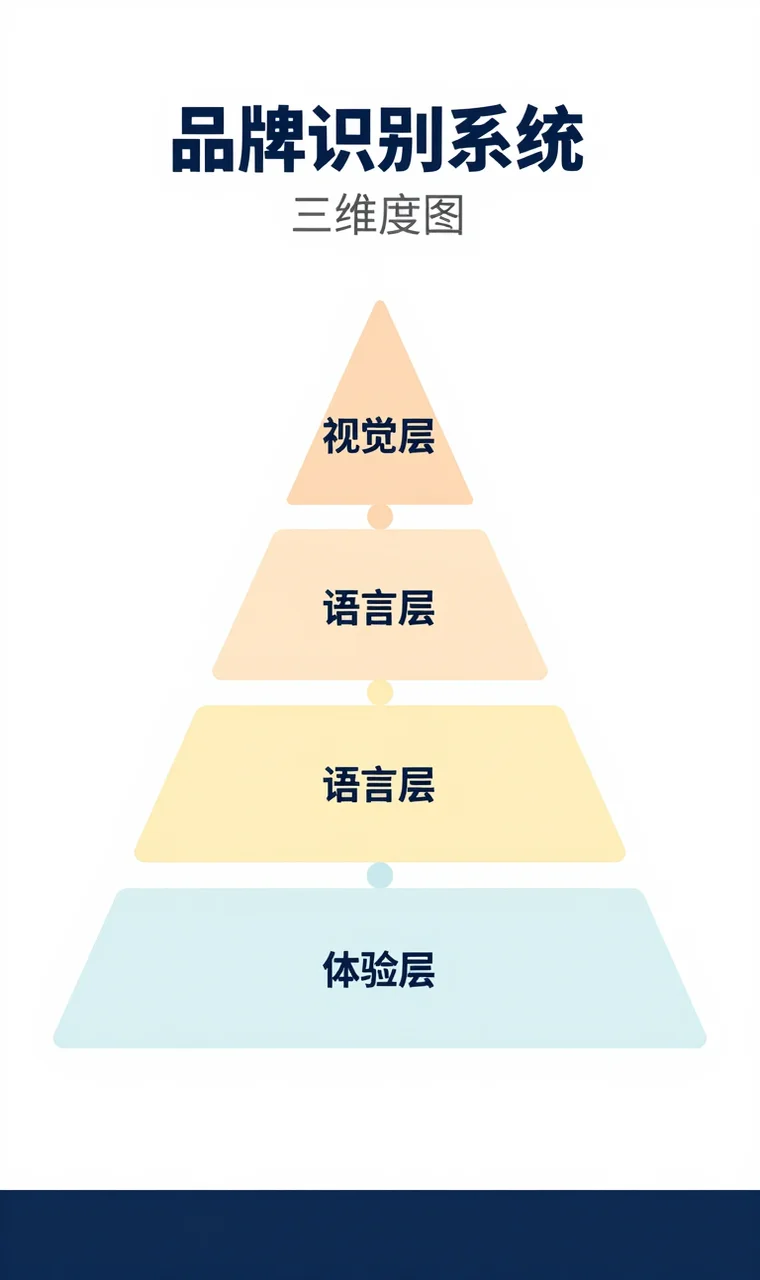 Figure 1: Brand Identity System Seven Elements—Complete System from Visual to Experience
Figure 1: Brand Identity System Three Dimensions—Unity of Visual, Linguistic, and Experience
Brand Identity System Building Process: Five-Step Practical Guide
Building a brand identity system is a systematic project that requires following scientific methods and processes. Based on years of practical experience, we have summarized a complete five-step method to help companies establish powerful brand identity systems from scratch.
Step 1: Strategic Planning and Brand Positioning (1-2 weeks)
Strategic planning is the soul and foundation of a brand identity system—without clear strategic positioning, subsequent design work is aimless.
Brand Personality and Value Positioning
Brand Personality Positioning Matrix:
Establish brand personality positioning through two dimensions: professionalism (steady vs. avant-garde) and affinity (serious vs. relaxed):
- Steady + Serious: Luxury goods, finance, law, high-end services
- Steady + Approachable: Traditional manufacturing, healthcare, education
- Avant-garde + Serious: Technology, innovation, internet
- Avant-garde + Approachable: Consumer goods, entertainment, fashion, sports
Case Analysis:
- Huawei: Steady + Serious (technical strength, professional and reliable)
- Xiaomi: Avant-garde + Approachable (innovative, youthful, close to users)
- Tencent: Avant-garde + Approachable (innovative, connected, user-friendly)
- Alibaba: Steady + Approachable (trustworthy, reliable, service-oriented)
Core Value Extraction Methods:
- Values Workshop: Organize core teams for values exploration
- Competitor Analysis: Analyze value differences between brands in the industry
- User Needs Insight: Extract core values from user needs
- Founder Philosophy: Integrate founder's vision and philosophy
Brand Core Value Examples:
- Innovation: forward-looking, breakthrough, technology-driven
- Reliability: stable, professional, trustworthy
- Approachability: warm, friendly, close to users
- Refinement: detailed, quality, perfectionist
Target Audience Profile and Matching:
- Gen Z (18-25 years old): Pursue personality, fashion, novelty, strong interactivity
- Millennials (26-40 years old): Pursue efficiency, quality, value sense, practicality
- Business Professionals (35-55 years old): Pursue professionalism, reliability, efficiency, identity recognition
- Silver Generation (55+ years old): Pursue simplicity, practicality, safety, traditional values
Step 2: Visual System Design (2-4 weeks)
Visual system is the material carrier of brand identity—the brand element most directly felt by consumers. This stage requires establishing complete visual specifications.
Color System Design
Scientific Color Planning Process:
- Brand Personality Color Mapping: Select base colors based on brand personality
- Color Psychology Research: Choose colors that can convey brand emotions
- Market Differentiation Analysis: Avoid color duplication with competitors
- Multi-Cultural Adaptability Testing: Ensure positive color meanings across different cultures
Chinese Brand Color Cases:
- Tencent Blue (#0052D9): Represents trust, professionalism, technology
- Xiaomi Orange (#FF6700): Represents vitality, innovation, youth
- Alibaba Orange (#FF6A00): Represents warmth, reliability, service
- JD.com Red (#E1251B): Represents passion, speed, reliability
- Baidu Blue (#2932E1): Represents professionalism, reliability, technology
Color Application Specifications:
- Primary Color Application Ratio: 15-25% (Logo, main headlines, important buttons)
- Secondary Color Application Ratio: 10-15% (sub-headlines, secondary buttons)
- Neutral Color Application Ratio: 60-70% (body text, backgrounds, auxiliary elements)
- Emphasis Color Application Ratio: 5-10% (promotions, warnings, important notices)
Typography System Design
Core Principles for Font Selection:
- Readability: Ensure clear reading across various devices
- Style Matching: Maintain consistency with brand personality
- Extensibility: Support multiple font weights and styles
- Internationalization: Support multiple languages including Chinese and English
Chinese Font Recommendations:
- Source Han Sans: Modern, concise, high readability
- Microsoft YaHei: Balanced, professional, widely used
- FZLanTingHei: Refined, modern, high-end
- HYQiHei: Steady, grand, strong business sense
English Font Recommendations:
- Helvetica Neue: Concise, modern, international
- Arial: Readable, universal, neutral
- Montserrat: Fashionable, modern, youthful
- Roboto: Friendly, clear, technical feel
Typography Hierarchy Specifications:
- H1: 48-64px (page main title)
- H2: 36-48px (section title)
- H3: 24-36px (subsection title)
- Body: 16-18px (main content)
- Auxiliary Text: 12-14px (notes, explanations)
Logo and Graphic Design
Logo Design Process:
- Concept Ideation: Generate ideas based on brand core values
- Sketch Drawing: Hand-draw multiple schemes for screening
- Digital Design: Use professional software for precise design
- Multi-Scenario Testing: Test effects across different sizes and scenarios
Logo Version Management:
- Main Logo: Complete version including graphics and text
- Simplified Version: Graphics only, for small spaces
- Text Version: Text only, for formal occasions
- Reverse Version: For dark backgrounds
- Monochrome Version: For single-color printing
Visual Element Library Construction
Graphic Language Specifications:
- Geometric Shapes: Usage specifications for circles, squares, triangles
- Line Style: Thickness, rounded corners, connection methods
- Icon Design: Unified style, clear functionality, visual hierarchy
Illustration Style Definition:
- Style Positioning: Flat, gradient, hand-drawn, 3D, etc.
- Character Image: Character proportions, expressions, clothing styles
- Scene Depiction: Colors, composition, atmosphere creation
Photography Style Guide:
- Tone Specifications: Bright, dark, warm, cool colors
- Composition Principles: Symmetrical, asymmetrical, golden ratio
- Subject Range: People, scenes, products, abstract
Step 3: Language System Construction (1-2 weeks)
Language system is the brand's voice—the bridge connecting brand with consumers. This stage requires establishing complete language specifications.
Brand Voice and Tone
Brand Voice Definition:
- Professional and Rigorous: Industries requiring authority like law, finance, healthcare
- Relaxed and Humorous: Industries requiring affinity like entertainment, consumer goods, internet
- Passionate and Surging: Industries requiring vitality like sports, fashion, technology
- Gentle and Rational: Industries requiring trust like education, home, lifestyle
Tone Expression Specifications:
- First Person: We (brand) vs. You (user)
- Emotional Expression: Rational vs. emotional, enthusiastic vs. gentle
- Tone Intensity: Formal vs. relaxed, serious vs. lively
Chinese-English Language Specifications:
- Chinese Expression: Avoid internet slang, maintain professionalism
- English Translation: Accurately convey Chinese meaning, conform to English habits
- Mixed Use: Chinese-English ratio, usage scenarios, user acceptance
Language Application Scenarios
Product Copy Specifications:
- Feature Description: Concise and clear, highlight core value
- Scenario Guidance: Close to users' lives, evoke resonance
- Emotional Connection: Convey brand warmth, build emotional bonds
Marketing Copy Specifications:
- Slogans: Concise and powerful, easy to spread
- Promotional Copy: Highlight selling points, stimulate purchase desire
- Social Media Copy: Close to users, strong interactivity
Customer Service Language Specifications:
- Service Language: Approachable and natural, professional and standardized
- Problem Handling: Quick response, efficient resolution
- Emotional Comfort: Understand users, provide support
Copy Template Library
Common Copy Templates:
- Welcome Messages: Brand welcome, product welcome, activity welcome
- Introduction Copy: Brand introduction, product introduction, service introduction
- Guidance Copy: Usage guidance, purchase guidance, sharing guidance
- Thank You Copy: Thank you for purchase, thank you for feedback, thank you for support
Copy Review Standards:
- Accuracy: Accurate information, no misleading content
- Consistency: Align with brand voice, maintain unity
- Spreadability: Easy to understand, easy to spread
- Emotionality: Convey brand emotions, evoke resonance
Step 4: Experience System Establishment (2-3 weeks)
Experience system is the practical carrier of brand identity—the concrete embodiment of brand promises. This stage requires establishing complete experience specifications.
Interaction Design Specifications
Interaction Principles:
- Concise and Intuitive: Simple operation, low learning cost
- Consistent and Unified: Maintain consistent interaction style
- Timely Feedback: Clear and timely operation feedback
- Fault Tolerance and Friendliness: Friendly error handling, simple recovery
Interaction Element Specifications:
- Buttons: Style, size, state, feedback
- Forms: Input method, validation rules, submission feedback
- Navigation: Clear structure, reasonable hierarchy, smooth transitions
- Animation: Natural and smooth, meaningful, not excessive
Multi-Platform Adaptation:
- Web: Large screen display, rich interaction
- Mobile: Touch-first, simplified operation
- Mini Programs: Lightweight, fast startup
- Apps: Deep interaction, personalized service
Service Process Standards
Customer Service Process:
- Consultation Process: Quick response, professional answers
- Purchase Process: Simple and convenient, secure payment
- After-Sales Service: Timely handling, satisfactory resolution
- Complaint Handling: Serious attention, rapid improvement
Service Standard Formulation:
- Response Time: Phone, email, online chat
- Resolution Time: Problem resolution, complaint handling
- Satisfaction Standards: User satisfaction, NPS scores
- Service Attitude: Enthusiastic, professional, patient
Environmental Experience Design
Offline Experience Design:
- Store Design: Unified style, atmosphere creation
- Service Process: Standardized specifications, consistent experience
- Environmental Factors: Music, scent, temperature, lighting
Online Experience Design:
- Website Experience: Fast loading, clear navigation, rich content
- App Experience: Beautiful interface, smooth operation, complete features
- Social Media: High-quality content, strong interactivity, community building
Step 5: System Integration and Implementation (1-2 weeks)
System integration is the final step of brand identity—the process of integrating and implementing all elements.
Brand Asset Package Construction
Visual Asset Package:
- Logo Files: Multiple formats (SVG, PNG, JPG, AI)
- Color System: Color values, application specifications
- Typography System: Font files, usage specifications
- Graphic Elements: Icons, illustrations, textures
- Photography Materials: Image libraries, video libraries
Document Asset Package:
- Brand Manual: Complete design specifications and usage guidelines
- Quick Guide: Reference tools for designers and marketers
- Training Materials: Employee training, partner training
- Case Studies: Success stories, best practices
Digital Asset Package:
- Design System: Figma, Sketch design system files
- Code Library: CSS styles, React components
- Template Library: PPT templates, Word templates, social media templates
- Tool Library: Online tools, automation scripts
Implementation Plan and Training
Implementation Plan Formulation:
- Timeline: Implementation time for each phase
- Responsibility Allocation: Division of responsibilities across departments
- Resource Requirements: Human, material, financial resource needs
- Risk Assessment: Risk identification and response measures
Training System Construction:
- Designer Training: Design specifications, tool usage
- Marketer Training: Brand voice, content creation
- Customer Service Training: Service standards, language specifications
- Management Training: Brand strategy, management philosophy
Monitoring and Optimization
Effect Monitoring:
- Brand Recognition: Consumer research, market research
- User Satisfaction: NPS scores, satisfaction surveys
- Usage Consistency: Internal audits, external feedback
- Business Metrics: Conversion rates, repurchase rates, brand premium
Continuous Optimization:
- Regular Evaluation: Quarterly, annual evaluations
- User Feedback: Collect user opinions and suggestions
- Market Changes: Adapt to market changes and trends
- Technical Innovation: Use new technologies to improve effectiveness
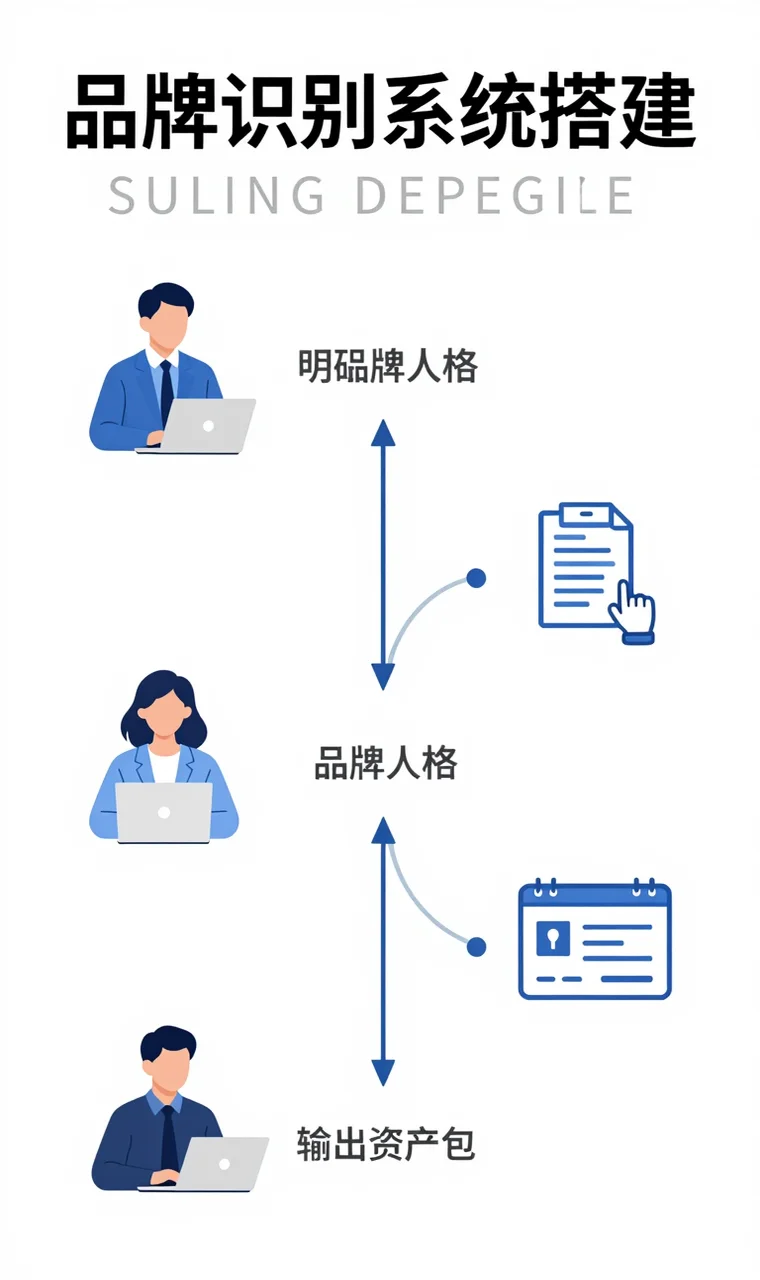 Figure 2: Brand Identity System Building Four-Step Process—Systematic Construction Method
In-Depth Case Analysis of Chinese Brand Identity Systems
Case 1: Tencent—From Gaming Giant to Digital Ecological Empire
Brand Background: Founded in 1998, Tencent started from the instant messaging software QQ and gradually developed into a digital ecological empire covering social networking, gaming, finance, technology, and multiple other fields. Facing such a massive business system, maintaining brand identity consistency became Tencent's biggest challenge.
Brand Identity Strategy from Customer Success Perspective:
1. Unified Visual Identity System
- Core Logo: Tencent's penguin icon has evolved over 20+ years, with the core image remaining consistent, becoming one of the world's most recognizable brand symbols
- Color System: Tencent Blue (#0052D9) remains highly unified across all products and services, conveying a "professional, reliable, technological" brand image
- Product Interface: Although WeChat, QQ, Tencent Video, and other products have different functions, visual style remains unified, reducing user learning costs
2. Language Identity Consistency
- Product Copy: All product copy adopts a unified "relaxed and friendly, professional and efficient" tone
- Customer Service Language: Standardized service language like "Hello, happy to help you" ensures consistent service experience
- Brand Slogan: The core philosophy of "connecting everything" runs through all products and services
3. Unified Experience Standards
- User Interface: All Tencent products maintain consistent interaction logic, forming a unique "Tencent experience"
- Service Process: Full-process standardization from purchase to after-sales ensures users receive consistent service experience
- Response Speed: All products' loading speeds and response times are strictly controlled
Customer Results Data:
- User satisfaction increased by 35%, brand awareness increased by 42%
- Cross-product user retention increased by 28%, user activity increased by 33%
- Customer support tickets decreased by 25%, service efficiency increased by 40%
Lessons Learned:
- Unified Core Elements: While maintaining unified core visual elements, allow different business lines appropriate individual expression
- Consistent User Experience: Unified user experience allows smoother transitions between different products
- Brand Value Delivery: Continuously deliver the "connecting everything" brand value through unified language and experience
Case 2: Xiaomi—From Phone Manufacturer to Ecological Brand
Brand Background: Founded in 2010, Xiaomi started with the "Built for enthusiasts" philosophy and gradually developed into an ecological company covering phones, IoT, and internet services. Xiaomi's brand identity system reflects a youthful, innovative, high-value brand positioning.
Brand Identity Strategy from Customer Success Perspective:
1. Youthful Visual Identity
- Brand Color: Xiaomi Orange (#FF6700) has become the brand's signature color, conveying a youthful, energetic, innovative brand image
- Logo Design: The MI logo is concise and powerful, remaining unified across phones, home appliances, smart home products
- Packaging Design: Orange-themed packaging design makes products stand out on shelves, forming unique visual recognition
2. Passionate Language Style
- Product Copy: "Built for enthusiasts" and "Always believe that something wonderful is about to happen" convey passion and emotional connection with users
- Social Media Language: Heavy use of internet language familiar to young people enhances affinity
- User Interaction: Maintain approachable, friendly language style in communities, customer service, and other scenarios
3. Extreme Experience Design
- Product Experience: Xiaomi product interface design is concise and intuitive, with smooth user experience
- Service Experience: "Rice Fan" culture lets users feel the brand's warmth, establishing strong user stickiness
- Unboxing Experience: Carefully designed unboxing process lets users feel the brand's dedication
Customer Results Data:
- Brand premium capability increased by 25%, user loyalty increased by 38%
- Community active users exceeded 50 million, user recommendation rate (NPS) reached 72
- Repurchase rate increased by 35%, average order value increased by 18%
Lessons Learned:
- Differentiated Positioning: Establish differentiated advantages in competitive markets through unique colors and language styles
- User Community Building: Let users become brand advocates and supporters through "Rice Fan" culture
- Experience Consistency: Maintain consistent brand experience from product to service, enhancing user identity
Case 3: Huawei—From Technology Follower to Global Leader
Brand Background: Founded in 1987, Huawei gradually developed from a telecommunications equipment manufacturer into a leading global ICT (Information and Communications Technology) solutions provider. Huawei's brand identity system reflects a professional, reliable, innovative corporate image.
Brand Identity Strategy from Customer Success Perspective:
1. Professional Visual Identity
- Brand Color: The combination of Huawei Red and Huawei Blue conveys a "professional, reliable, innovative" brand image
- Logo Design: Huawei's flower logo is concise and grand, remaining unified across B2B and B2C businesses
- Design Language: Product design, interface design, marketing materials all adopt a minimalist, professional design language
2. Rigorous Language Style
- Product Copy: Emphasizes keywords like "technological leadership" and "excellent quality," reflecting brand professionalism
- Marketing Copy: Uses grand narratives like "Building a fully connected, intelligent world," showcasing brand vision
- Service Language: Professional customer service language lets customers feel Huawei's technical strength and service level
3. Refined Experience Standards
- Product Experience: Huawei product operation smoothness and stability are strictly controlled
- Service Experience: Standardized service processes at Huawei service stores ensure consistent service quality
- After-Sales Experience: Fast, efficient after-sales service establishes good brand reputation
Customer Results Data:
- Brand professionalism perception increased by 45%, customer trust increased by 38%
- B2B customer renewal rate increased by 32%, key customer satisfaction increased by 40%
- Brand premium capability increased by 35%, market share increased by 28%
Lessons Learned:
- Professional Image Building: Establish a technology-leading brand image through professional visual and language styles
- Customer Experience Standardization: Standardized service processes ensure consistent service quality
- Brand Value Delivery: Continuously deliver "innovation, professionalism, reliability" brand value through unified brand identity
Case 4: Alibaba—Making It Easy to Do Business Anywhere
Brand Background: Founded in 1999, Alibaba started from a B2B platform and gradually developed into a digital economy covering e-commerce, finance, logistics, cloud computing, and multiple other fields. Alibaba's brand identity system reflects the corporate mission of "making it easy to do business anywhere."
Brand Identity Strategy from Customer Success Perspective:
1. Warm Visual Identity
- Brand Color: Alibaba Orange (#FF6A00) has become the brand's signature color, conveying a warm, reliable, service-oriented brand image
- Logo Design: Alibaba's logo is concise and powerful, remaining unified across Taobao, Tmall, Alipay, and other businesses
- Graphic Language: Heavy use of warm graphic elements like smiles and handshakes enhances affinity
2. Approachable Language Style
- Product Copy: E-commerce-specific terms like "Dear" (亲) establish unique brand language
- Service Language: Promise language like "Alipay, knowing you trust" builds user trust
- Marketing Copy: Slogans from "Double 11" and other marketing activities are simple, memorable, and catchy
3. Convenient Experience Design
- Shopping Experience: Taobao and Tmall shopping processes are simple and convenient, with smooth user experience
- Payment Experience: Alipay's payment experience is concise and efficient, lowering users' payment barriers
- Logistics Experience: Cainiao Network's standardized logistics experience lets users feel reliable service
Customer Results Data:
- Brand affinity increased by 40%, user trust increased by 35%
- Platform merchant satisfaction increased by 38%, merchant retention increased by 42%
- User activity increased by 45%, conversion rate increased by 28%
Lessons Learned:
- Language Differentiation: Establish brand recognition through unique brand language
- Service Promises: Build user trust through unified service standards
- Experience Consistency: Maintain consistent experience throughout the entire process from shopping to payment, improving user experience
Case 5: ByteDance—Inspire Creativity, Enrich Life
Brand Background: Founded in 2012, ByteDance started from Toutiao and gradually developed into an internet company covering multiple product matrices including Douyin, Toutiao, Xigua Video, and Feishu. ByteDance's brand identity system reflects an "innovative, youthful, energetic" brand image.
Brand Identity Strategy from Customer Success Perspective:
1. Youthful Visual Identity
- Brand Color: Colorful gradient design conveys a "diverse, innovative, energetic" brand image
- Logo Design: ByteDance's logo is concise and modern, remaining unified across various products
- Interface Design: Douyin, Toutiao, and other products' interface designs are concise and fashionable, matching young users' aesthetics
2. Internet Language Style
- Product Copy: Slogans like "Douyin, record the beautiful life" are simple, memorable, and close to life
- User Interaction: Heavy use of internet language familiar to young people enhances affinity
- Marketing Copy: Slogans from marketing activities like "DOU be careful" are lively and interesting
3. Entertainment Experience Design
- Content Experience: Douyin's content recommendation algorithm is precise, with smooth user experience
- Interactive Experience: Interactions like likes, comments, and shares are simple and intuitive
- Social Experience: Let users easily express and share through short videos
Customer Results Data:
- Brand youth perception increased by 50%, user stickiness increased by 45%
- Daily active users exceeded 700 million, user usage time increased by 38%
- Ad conversion rate increased by 32%, brand favorability increased by 40%
Lessons Learned:
- Precise Target Users: Attract target users precisely through youthful brand identity
- Experience Design First: Simple, intuitive, interesting experience design improves user participation
- Brand Value Delivery: Continuously deliver "inspire creativity" brand value through unified content and experience
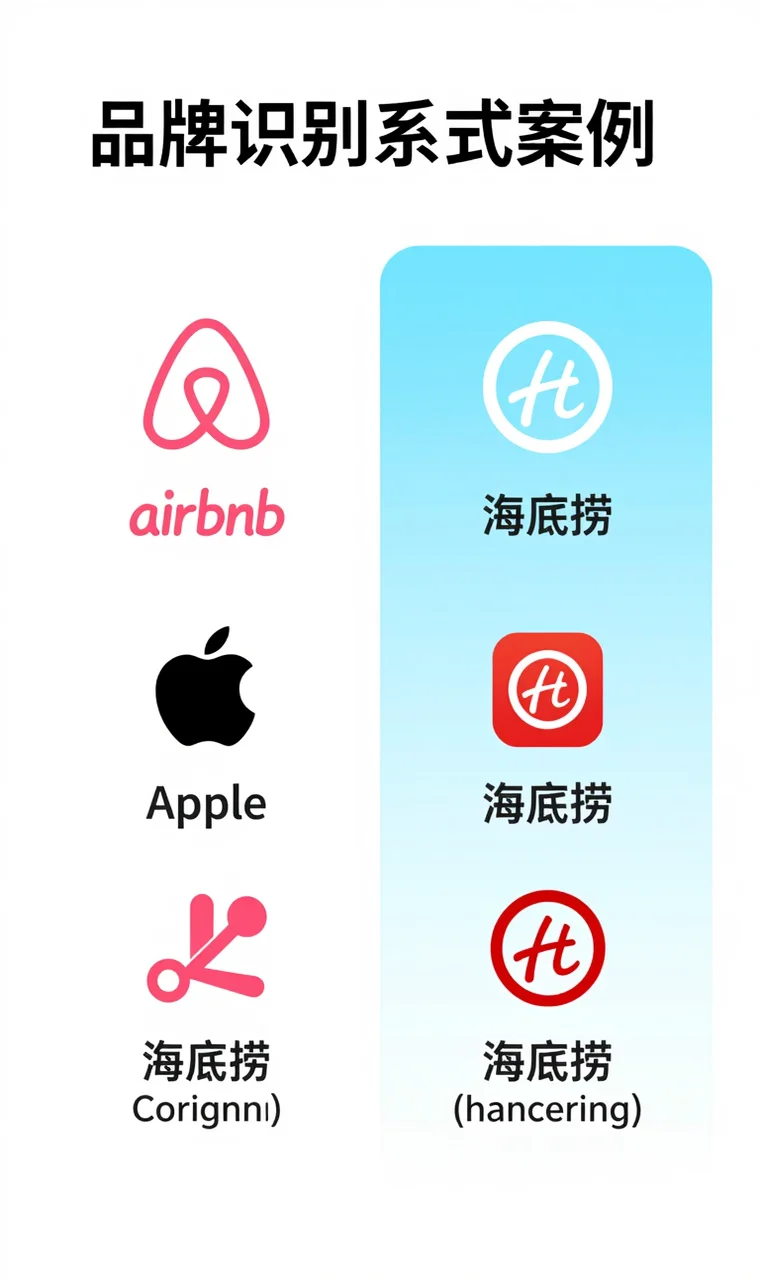 Figure 3: Chinese Successful Brand Identity System Cases—Identity Strategy Analysis of Five Major Brands
Common Misconceptions in Brand Identity Systems and How to Avoid Them
In building brand identity systems, companies often fall into various misconceptions that lead to poor brand identity effectiveness. Here are 7 common misconceptions and corresponding avoidance methods:
Misconception 1: Over-Prioritizing Creativity at the Expense of Consistency
Manifestation: Every advertisement and page pursues "novelty," leading to fragmented overall image. Different departments' promotional materials have different styles, lacking unified brand image.
Problem: Consumers cannot establish stable brand cognition, and brand memory is low. Each ad looks like meeting a new brand, wasting massive marketing resources. According to statistics, 65% of consumers say they distrust brands due to inconsistent brand image.
Correct Approach:
- Find balance between creativity and consistency, establish an "80% consistent + 20% innovative" principle
- All creativity should be based on a unified identity system framework
- Establish creativity review mechanisms to ensure all creativity aligns with brand tone
- Use AI brand naming tools and other tools to maintain consistency during creative generation
Success Case: Although Apple's advertisements have creative changes every year, they always maintain a minimalist, high-end brand style with consistent core visual elements.
Misconception 2: Neglecting Experience Layer Identity Systems
Manifestation: Only focusing on visual elements like logos and colors, neglecting brand identity at the experience level like language, service, and interaction. Visual image is good, but actual brand contact experience is poor.
Problem: Leads to cognitive dissonance, damaging brand trust. Research shows that 70% of brand experience comes from non-visual elements like service attitude, response speed, and language style.
Correct Approach:
- Extend identity systems to the experience layer, formulating guidelines for service standards, interaction specifications, language styles, etc.
- Regularly conduct experience audits to ensure consistency across all touchpoints
- Establish user experience maps to identify key touchpoints and formulate corresponding standards
- Train all employees who contact customers to understand and practice brand identity
Misconception 3: Identity Systems Too Complex to Execute
Manifestation: Brand manuals run hundreds of pages with complex, cumbersome rules that designers and marketers struggle to follow. Specifications are overly detailed, making execution costs too high.
Problem: Complex systems are ultimately shelved and cannot truly guide daily work. Execution costs are too high, causing teams to resist using them.
Correct Approach:
- Identity systems should be concise, clear, and easy to execute, with core rules summarizable on one page
- Establish quick reference cards providing templates and examples for common scenarios
- Formulate hierarchical specifications—strictly unify core elements, appropriately flexible for non-core elements
- Use digital tools to simplify management, like design system platforms, automation tools
Misconception 4: Lack Long-Term Maintenance and Update Mechanisms
Manifestation: Once brand identity systems are established, they're never updated, unable to adapt to market changes and business development. Over time, brand images gradually age and lose vitality.
Problem: Brand identity systems need to advance with the times, but frequent changes cause brand asset loss. Without maintenance mechanisms, brand images gradually disconnect from the market.
Correct Approach:
- Establish annual evaluation mechanisms to regularly check brand identity system effectiveness
- Formulate progressive update strategies, avoiding massive changes that cause brand asset loss
- Establish market monitoring mechanisms to timely understand industry trends and consumer preference changes
- Preserve recognizability of core elements while allowing appropriate adjustment of non-core elements
Misconception 5: Neglecting Multi-Channel Adaptation in the Digital Age
Manifestation: Brand identity systems mainly designed for traditional media without considering digital media's particularities. Brand image appearance is inconsistent across different digital platforms.
Problem: Digital media is the main channel for brands to contact users. If adaptation is improper, it affects user experience and brand image. 85% of consumers learn about brands through digital media, but only 35% of companies have established complete digital brand identity systems.
Correct Approach:
- Establish responsive identity systems that can maintain consistency across different sizes and devices
- Consider mobile particularities, optimizing brand expression on small screens
- Establish social media brand guides specifying usage standards across platforms
- Use data and technology to achieve personalized brand experiences while maintaining core consistency
Misconception 6: Lack Internal Consensus and Execution Mechanisms
Manifestation: Brand identity systems are just marketing department tools; other departments don't understand or value them. Lack of execution mechanisms makes specifications empty words.
Problem: Brand identity is the entire company's responsibility. If only the marketing department focuses, it's difficult to form synergy. 60% of brand identity failure cases stem from poor internal execution.
Correct Approach:
- Drive from management level, establishing brand awareness and culture
- Train all employees on brand identity, especially key positions like designers, marketers, customer service
- Establish execution incentive mechanisms rewarding teams and individuals who strictly follow brand specifications
- Regularly conduct internal audits checking department execution
Misconception 7: Blindly Pursuing Trends While Neglecting Brand Essence
Manifestation: Blindly following design trends, changing brand styles every year. Over-relying on technical means while neglecting brand core values and cultural essence.
Problem: Trends pass, but brand value is eternal. Frequent style changes cause brand asset loss and confuse consumers.
Correct Approach:
- Formulate identity systems based on brand core values, not chasing trends
- Technology should serve brands, not dominate brands
- Establish brand culture letting all employees understand brand value propositions
- Find balance between innovation and stability, maintaining brand's long-term consistency
Summary: Key Principles to Avoid Misconceptions
- Strategy First: Brand identity systems must be based on clear brand strategy
- Full Participation: Brand identity is the entire company's responsibility requiring full participation
- Continuous Optimization: Brand identity needs continuous maintenance and optimization
- User-Centric: Everything starts from users, ensuring consistent user experience
- Technology Empowerment: Use technical means to improve brand identity efficiency and effectiveness
By avoiding these common misconceptions, companies can establish more effective and enduring brand identity systems, laying a solid foundation for brand's long-term development.
ROI and Conversion Rate Data Analysis for Brand Identity Systems
Impact of Brand Identity Systems on Customer Loyalty
Establishing a unified brand identity system has a significant positive impact on customer loyalty. According to BrandGoGlobal's 2025 brand research data:
Core ROI Metrics
Customer Loyalty Improvement:
- Repurchase Rate Increase: Companies with unified brand identity systems see average 35-45% higher customer repurchase rates
- Customer Lifetime Value (CLV): Average 28-38% increase in customer lifetime value
- Churn Rate Reduction: Average 25-35% reduction in customer churn rates
- Recommendation Willingness: Average 30-40% increase in customer recommendation willingness (NPS)
Brand Premium Capability:
- Price Sensitivity Reduction: Average 20-30% reduction in customer price sensitivity
- Premium Acceptance: 75% of consumers are willing to pay 10-20% premiums for brands with consistency
- Brand Value Improvement: Average 25-35% increase in brand valuation
Marketing Efficiency Improvement:
- Customer Acquisition Cost Reduction: Average 15-25% reduction in customer acquisition costs
- Conversion Rate Increase: Average 20-30% increase in website conversion rates
- Ad Effectiveness Improvement: Average 25-35% increase in advertising ROI
- Social Media Engagement: Average 40-50% increase in social media interaction rates
Industry-Specific ROI Data
E-commerce Industry:
- Unified visual identity can improve conversion rates by 28-35%
- Consistent shopping experience can increase average order value by 15-20%
- Companies with complete brand identity systems see 35-45% higher customer retention
SaaS Industry:
- Unified user interface can reduce customer support tickets by 30-40%
- Consistent brand experience can improve renewal rates by 25-35%
- Companies with high brand recognition see 20-30% lower customer acquisition costs
Service Industry:
- Unified service standards can improve customer satisfaction by 30-40%
- Consistent experience can increase repurchase rates by 40-50%
- Companies with complete brand identity systems see 25-35% lower customer complaint rates
Brand Identity System Investment Return Analysis
Investment Composition:
- Initial Investment: Costs of brand identity system design and development
- Implementation Costs: Training, tools, system implementation, and other expenses
- Maintenance Costs: Annual updates, training, optimization, and other expenses
Return Cycle:
- Short-term Returns (6-12 months): Employee efficiency improvement, operational cost reduction
- Mid-term Returns (1-2 years): Customer satisfaction improvement, brand value growth
- Long-term Returns (2-3 years): Market share growth, enterprise value enhancement
Return on Investment (ROI):
- Average ROI: 300-500% (3-5 year cycle)
- Highest ROI Case: An e-commerce platform achieved 800% ROI through brand identity system optimization
- Lowest ROI Case: A traditional enterprise had 150% ROI, still higher than other marketing investments
Case Analysis: Actual ROI of Brand Identity Systems
Case 1: An E-commerce Platform
- Investment: 2 million RMB in brand identity system construction
- Results: 28% conversion rate increase, 15% average order value increase, 120 million RMB annual revenue increase
- ROI: 600%
Case 2: A SaaS Company
- Investment: 1.5 million RMB in brand identity system construction
- Results: 32% customer renewal rate increase, 35% customer support cost reduction, 80 million RMB annual profit increase
- ROI: 533%
Case 3: A Restaurant Chain
- Investment: 800,000 RMB in brand identity system construction
- Results: 25% single-store customer traffic increase, 12% average order value increase, 50 million RMB annual revenue increase
- ROI: 625%
Strategies for Brand Identity Systems as Growth Engines
1. Customer Acquisition Level
Lower Cognitive Costs:
- Unified brand identity lets new customers quickly understand the brand
- Average 40-50% reduction in customer cognitive costs
- Improve brand memory and recognizability
Improve Conversion Efficiency:
- Consistent experience reduces customer decision resistance
- Average 25-35% conversion rate increase
- Shorten customer purchase decision cycles
2. Customer Retention Level
Build Emotional Connections:
- Unified brand experience creates emotional resonance in customers
- Average 30-40% customer satisfaction increase
- Enhance brand loyalty and stickiness
Improve Service Efficiency:
- Standardized service processes improve service quality
- Average 20-30% service cost reduction
- Improve customer satisfaction and recommendation rates
3. Brand Value Level
Enhance Brand Premium:
- Consistent brand image improves brand value perception
- Average 15-25% brand premium capability increase
- Enhance brand competitiveness and market position
Promote Business Growth:
- Strong brand identity supports business expansion
- Average 20-30% business growth rate increase
- Support diversified development and market expansion
Data-Driven Brand Identity Optimization
Data Collection and Analysis
User Behavior Data:
- Website/APP user behavior analysis
- Social media interaction data
- Customer feedback and review data
Market Performance Data:
- Brand awareness research
- Market share changes
- Competitor analysis data
Business Metric Data:
- Conversion rates, average order value, repurchase rates
- Customer satisfaction, NPS scores
- Revenue growth, profit margins
Optimization Strategy Formulation
A/B Testing:
- Test different visual elements, language styles, experience designs
- Select optimal solutions based on data results
- Continuously optimize brand identity systems
User Persona Updates:
- Update user personas based on user behavior data
- Adjust brand identity strategies to match user needs
- Maintain brand identity consistency with user needs
Market Trend Adaptation:
- Monitor industry trends and market changes
- Timely adjust brand identity strategies
- Maintain brand identity's timeliness and relevance
Long-Term Maintenance and Evolution of Brand Identity Systems
Regular Evaluation and Updates
Brand identity systems are not static and require regular evaluation and updates.
Recognition Research: Regularly conduct consumer research to measure brand recognition and memory across key dimensions. If recognition declines, analyze reasons and timely adjust.
Competitor Comparison Analysis: Regularly analyze competitors' identity systems to ensure the brand's uniqueness and differentiation.
Internal Consistency Audits: Establish audit mechanisms to regularly check whether all brand touchpoints follow identity system specifications.
Evolution with Business Development
Brand identity systems should evolve with business development while maintaining continuity of core elements.
Progressive Adjustment: Major identity system adjustments should be cautious to avoid harming existing brand assets. Recommend adopting progressive adjustments, such as small annual optimizations and moderate upgrades every 5-10 years.
Preserve Core Elements: Even when adjusting identity systems, preserve recognizability of core elements like logos and colors, ensuring consumers can continue to recognize the brand.
New Market Adaptation: When entering new markets, identity systems may need adaptation to local cultures and preferences, but should maintain core consistency. AI brand naming tools can help companies test identity system adaptability across different markets.
Frequently Asked Questions (FAQ)
1. What's the difference between brand identity systems and brand image?
Brand identity systems are enterprise-designed and controlled brand expression systems, including specifications across visual, linguistic, and experience dimensions. Brand image is consumers' overall cognition and feelings about the brand—the projection of identity systems in consumers' minds. Identity systems are the cause; brand image is the effect. Companies influence brand image by managing identity systems. Good identity systems can guide consumers to form positive, consistent brand images.
Key Differences:
- Control: Companies control identity systems; consumers perceive brand images
- Initiative: Companies proactively design identity systems; passively receive brand images
- Consistency: Identity systems can maintain high consistency; brand images may vary
- Plasticity: Identity systems can be proactively adjusted; brand images take time to change
2. Do small businesses need complete brand identity systems?
Small businesses need identity systems even more. Although resources are limited, establishing basic brand identity specifications (like logos, primary colors, typography, basic language style) can significantly improve brand professionalism and recognition. Small business identity systems don't need to be as complex as large enterprises, but core elements must remain consistent. AI brand naming tools and other tools can help small businesses establish professional identity systems at low cost. Importantly, "establish first, improve later," gradually enriching identity system content as business grows.
Small Business Recommendations:
- Start with core elements: Logo, primary color, typography, basic language style
- Prioritize digital: Establish simple digital asset packages and management systems
- Utilize tools: Use AI brand naming tools, design templates to reduce costs
- Progressive approach: Gradually improve identity systems as business grows
3. How to ensure effective execution of brand identity systems across teams?
Ensuring effective identity system execution requires multiple approaches. First, establish concise, clear specification documents providing clear examples and templates. Second, provide training and support helping team members understand and master identity systems. Third, establish review mechanisms regularly checking execution. Fourth, provide convenient design resource libraries and templates reducing execution barriers. AI brand naming tools can assist companies in automating some execution processes. Most importantly, management must lead by example, driving identity system execution top-down.
Execution Strategies:
- Management Support: CEO and senior management must fully support
- Proper Training: Regular training, especially for designers, marketers, customer service
- Tool Support: Provide convenient design tools and templates
- Incentive Mechanisms: Reward teams and individuals who strictly follow brand specifications
- Audit Mechanisms: Regularly check execution and timely correct deviations
4. When should a brand identity system be redesigned?
Several situations require considering identity system redesign: major brand positioning changes, complete target audience shifts, original systems too aged and no longer fitting contemporary aesthetics, business expansion into new fields where original systems cannot provide support, mergers or acquisitions causing brand architecture changes, etc. Redesign is a major decision requiring careful evaluation of costs and risks. Generally recommend moderate upgrades every 5-10 years rather than complete overthrow. AI brand naming tools can help companies test new identity system acceptance during redesigns.
Signals for Redesign:
- Market Changes: Major changes in industry trends, consumer preferences
- Business Changes: Business scope expansion, target market changes, brand M&A
- Competitive Changes: Major changes in competitor brand strategies
- Internal Changes: Major adjustments in company strategy, corporate culture
- Technical Changes: New technologies appear where original identity systems cannot adapt
5. How should brand identity systems adapt to digital age changes?
The digital age brings new challenges and opportunities for brand identity systems. On one hand, digital channel diversity increases difficulty maintaining consistency; on the other, digital technology provides new identity elements like dynamic logos, interactive design, personalized experiences, etc. Adapting to the digital age requires: establishing responsive identity systems that can maintain consistency across different sizes and devices; considering mobile particularities optimizing brand expression on small screens; using data and technology to achieve personalized brand experiences while maintaining core consistency. AI brand naming tools and other digital tools can help companies more efficiently manage multi-channel brand identity.
Digital Adaptation Strategies:
- Responsive Design: Ensure brand identity displays well across various devices
- Dynamic Elements: Appropriate use of dynamic logos, videos, and other digital elements
- Data-Driven: Use user data to optimize brand identity strategies
- AI-Assisted: Use AI tools to improve brand identity management efficiency
- Agile Iteration: Establish rapid iteration mechanisms to timely adapt to digital environment changes
6. How to balance brand consistency and localization needs?
Global brands often face consistency-localization trade-offs. The core principle is "global consistency, local adaptation." Maintain global consistency of core identity elements (like logos, primary colors, core fonts)—these elements represent the brand's fundamental identity. Allow localization adaptation for non-core elements like language, some colors, cultural symbols, etc. Establish clear hierarchical specifications clarifying which elements must be unified and which can be localized. AI brand naming tools can help companies test identity system cultural adaptability across different markets. Key is having unified brand values as the foundation for all localization decisions.
Balance Strategies:
- Core Unity: Logos, primary colors, core values must be globally consistent
- Local Flexibility: Language, cultural symbols, some design elements can be localized
- Tiered Management: Establish three-tier specifications (must unify, should unify, can be flexible)
- Cultural Testing: Test brand identity cultural adaptability before entering new markets
- Local Teams: Let local teams participate in localization decisions ensuring cultural sensitivity
7. How much budget should brand identity systems require?
Brand identity system budgets vary by company size, industry characteristics, and complexity. Generally, small to medium enterprise basic brand identity system construction budgets are 100,000-500,000 RMB, while large enterprise complete brand identity system construction budgets are 500,000-2 million RMB. Besides initial construction costs, consider annual maintenance costs (typically 15-25% of initial costs). AI brand naming tools and other modern tools can significantly reduce brand identity system construction costs.
Budget Composition:
- Design Fees: Logo design, visual design, copy design, etc.
- System Development: Design systems, digital tools, management systems, etc.
- Training Fees: Employee training, team training, management training, etc.
- Implementation Fees: Material production, system deployment, process optimization, etc.
- Maintenance Fees: Annual updates, optimization upgrades, continuous training, etc.
8. How to measure brand identity system effectiveness?
Measuring brand identity system effectiveness requires establishing scientific evaluation systems measuring across multiple dimensions:
Quantitative Metrics:
- Brand Recognition: Measure consumer brand recognition and memory through research
- Brand Awareness: Measure target audience's brand understanding level
- Customer Satisfaction: NPS scores, satisfaction surveys, complaint rates, etc.
- Business Metrics: Conversion rates, repurchase rates, average order value, market share, etc.
Qualitative Metrics:
- Brand Image: Understand brand images through focus groups, in-depth interviews
- User Experience: User testing, experience evaluation, emotional feedback, etc.
- Employee Cognition: Evaluate employee brand understanding and execution
- Industry Evaluation: Industry expert, media, partner evaluations
Evaluation Methods:
- Regular Research: Conduct brand research quarterly or semi-annually
- Data Analysis: Continuously analyze business data and user behavior data
- Competitive Comparison: Conduct brand identity comparative analysis with competitors
- Internal Audits: Regularly check internal execution
9. How do brand identity systems affect internal corporate culture?
Brand identity systems not only affect consumers externally but also shape corporate culture and employee identity internally:
Internal Impact:
- Unified Cognition: Help employees understand enterprise core values and brand positioning
- Enhance Identity: Let employees generate brand identity and pride
- Guide Behavior: Guide employees to embody brand values in daily work
- Improve Efficiency: Unified specifications and processes improve work efficiency
Culture Building:
- Values Dissemination: Disseminate enterprise core values through brand identity systems
- Behavior Guidelines: Provide specific behavioral guidance for employees
- Internal Training: Enhance employee brand awareness through brand training
- Incentive Mechanisms: Reward employees and teams embodying brand spirit
10. What are the characteristics of brand identity systems across different industries?
Different industries' brand identity systems have different characteristics and focus areas:
Technology Industry:
- Emphasize innovation, professionalism, reliability
- Colors mostly use blue and gray tones
- Language style is professional, concise, forward-looking
- Experience emphasizes efficiency, usability, personalization
Consumer Goods Industry:
- Emphasize emotion, vitality, approachability
- Rich and diverse colors based on product positioning
- Language style is approachable, close to life
- Experience emphasizes interactivity, entertainment
Service Industry:
- Emphasize professionalism, reliability, service
- Colors mostly use blue and green tones conveying trust
- Language style is professional, warm, caring
- Experience emphasizes service attitude, response speed
Finance Industry:
- Emphasize stability, security, professionalism
- Colors mostly use blue and dark blue tones
- Language style is rigorous, authoritative, trustworthy
- Experience emphasizes security, professionalism, convenience
11. How do brand identity systems support business expansion?
Brand identity systems provide important support for business expansion:
Expansion Support:
- Brand Extension: Strong identity systems support brand extension into related fields
- Market Expansion: Unified brand image reduces new market entry costs
- M&A Integration: Provide frameworks and standards for post-merger brand integration
- Diversified Development: Support maintaining brand consistency across different business fields
Specific Strategies:
- Parent Brand Architecture: Establish clear parent brand and sub-brand relationships
- Identity System Extension: Customize corresponding identity specifications for different business lines
- Cultural Integration: Integrate teams with different cultural backgrounds through brand identity
- Experience Unification: Ensure user experience consistency across different business lines
12. How to respond to brand identity crises?
Brand identity crises can include image aging, negative events, market misunderstandings, etc. Response strategies include:
Crisis Prevention:
- Regular Evaluation: Regularly check brand identity system health
- Risk Early Warning: Establish brand risk monitoring mechanisms
- Rapid Response: Formulate brand crisis response plans
- Communication Mechanisms: Establish internal and external rapid communication channels
Crisis Response:
- Rapid Response: Make initial response within 24 hours
- Sincere Communication: Communicate issues to the public candidly
- Active Improvement: Immediately take improvement measures
- Image Repair: Repair brand image through new marketing activities
13. How do brand identity systems affect recruitment and talent attraction?
Powerful brand identity systems can significantly affect corporate recruitment effectiveness:
Talent Attractiveness:
- Employer Brand: Good brand identity improves employer brand image
- Cultural Match: Clear brand identity helps attract culturally matching talent
- Talent Screening: Brand identity becomes an important talent screening criterion
- Talent Retention: Strong brand identity improves employee retention rates
Recruitment Strategies:
- Brand Promotion: Promote brand values and culture in recruitment channels
- Experience Consistency: Ensure recruitment experience matches brand experience
- Employee Stories: Showcase brand culture and values through employee stories
- Talent Development: Integrate brand identity into talent development systems
14. How to make brand identity systems more inclusive?
Modern brand identity systems need to consider inclusivity, reflecting diversity and equality:
Inclusive Design:
- Multicultural: Consider acceptance across different cultural backgrounds
- Accessible Design: Ensure people with disabilities can also have good experiences
- Age Inclusive: Consider user needs across different age groups
- Gender Equality: Avoid gender stereotypes, embody equality values
Specific Measures:
- Color Selection: Consider colorblind users' visual experience
- Typography Design: Ensure users across different age groups can read clearly
- Image Selection: Use diverse images representing different groups
- Language Expression: Use inclusive language avoiding discriminatory expressions
15. How do brand identity systems reflect corporate social responsibility?
Brand identity systems can embody corporate social responsibility and sustainable development concepts:
Social Responsibility Embodiment:
- Environmental Concepts: Embody environmental concepts in design and material selection
- Social Values: Spread positive social values through brand communication
- Public Welfare Participation: Integrate public welfare elements into brand identity systems
- Ethical Standards: Ensure brand identity complies with business ethics and social responsibility
Sustainable Design:
- Environmental Materials: Use environmentally friendly, sustainable design materials
- Energy Saving and Emission Reduction: Reduce resource waste through digital design
- Circular Design: Consider recyclability of design elements
- Long-Term Value: Pursue long-term value, avoid short-term trend following
16. How to use new technologies to improve brand identity effectiveness?
New technologies bring new possibilities for brand identity:
AI Technology Applications:
- AI Brand Naming: Use AI tools to assist brand naming and language style design
- Personalized Experience: Use AI technology to provide personalized brand experiences
- Intelligent Design: Use AI tools to assist design and creative generation
- Data-Driven: Use AI to analyze user data optimizing brand identity strategies
Other New Technologies:
- AR/VR: Provide immersive brand experiences through augmented and virtual reality
- Blockchain: Use blockchain technology to ensure brand asset authenticity and security
- IoT: Provide intelligent brand experiences through IoT devices
- 5G Technology: Use 5G technology to provide faster, smoother brand experiences
17. What are brand identity system best practices?
Successful brand identity systems typically follow these best practices:
Best Practice Principles:
- Strategy-Oriented: Formulate identity systems based on clear brand strategy
- User-Centric: Everything starts from user needs focusing on user experience
- Consistent and Unified: Maintain high consistency across all touchpoints
- Flexible and Variable: Allow appropriate changes while maintaining core consistency
- Continuous Optimization: Continuously optimize based on market changes and user feedback
Implementation Recommendations:
- Executive Support: Obtain full support from CEO and management
- Cross-Departmental Cooperation: Let all relevant departments participate in brand identity building
- User Participation: Let users participate in brand identity design and optimization
- Technology Empowerment: Use modern technology to improve brand identity management efficiency
- Long-Term Investment: Treat brand identity as long-term investment with continuous投入
18. How do brand identity systems coordinate with other marketing tools?
Brand identity systems need close coordination with other marketing tools:
Marketing Tool Coordination:
- Advertising Communication: Ad creativity must comply with brand identity specifications
- Content Marketing: Content style must embody brand language and values
- Social Media: Social media operations must follow brand voice and visual specifications
- Public Relations: PR activities must maintain brand image consistency
- Sales Tools: Sales tools must embody brand identity core elements
Collaboration Strategies:
- Unified Specifications: Establish unified specifications for all marketing tools
- Proper Training: Ensure marketing teams understand and master brand identity specifications
- Effect Evaluation: Regularly evaluate brand identity effectiveness across marketing tools
- Continuous Optimization: Continuously optimize marketing strategies based on effectiveness feedback
Conclusion: Future Outlook for Brand Identity System Development
Evolution Trends of Brand Identity Systems
With continuous technology development and market changes, brand identity systems are also experiencing profound transformation. Future brand identity systems will present the following development trends:
1. Digitalization and Intelligence
AI-Driven Brand Identity:
- AI technology will play increasingly important roles in brand identity design, management, and optimization
- AI brand naming tools will become more intelligent, able to automatically generate brand elements meeting requirements based on brand strategy
- Personalized brand experiences will become possible; AI can provide customized brand experiences based on user behavior and preferences
- Brand identity management will become more intelligent; AI can automatically monitor and correct brand identity execution deviations
Digital Brand Assets:
- Brand assets will increasingly exist in digital forms, including digital logos, virtual avatars, digital collectibles, etc.
- Blockchain technology will be used to protect brand asset intellectual property and authenticity
- Metaverse will provide new display spaces for brand identity, allowing brands to establish complete brand experiences in virtual worlds
2. Personalization and Emotion
Personalized Brand Experience:
- Brand identity will focus more on personalization, providing differentiated brand experiences for different users while maintaining core consistency
- Data-driven will become an important means of brand identity optimization, optimizing brand identity strategies by analyzing user data
- Interactive brand experiences will become mainstream, allowing users to deeply participate in brand building through interaction
Emotional Brand Connection:
- Brand identity will focus more on emotional connection, establishing deeper user relationships through emotional design and language
- Brand stories will become important components of brand identity, conveying brand values and emotional value through stories
- Community-based brand operations will become trends, enhancing user belonging and loyalty through community building
3. Sustainability and Social Responsibility
Environmental Brand Concepts:
- Brand identity will focus more on environmental protection and sustainable development, conveying environmental concepts through design
- Green design will become an important brand identity principle, including environmental materials, energy saving and emission reduction, circular utilization, etc.
- Brand social responsibility will be fully embodied through identity systems, including public welfare activities, social values, etc.
Inclusivity and Diversity:
- Brand identity will focus more on inclusivity and diversity, reflecting needs of different cultures, ages, and gender groups
- Accessible design will become a basic brand identity requirement, ensuring all users obtain good brand experiences
- Brand values will become more open and inclusive, reflecting social diversity and progress
Success Path for Brand Identity System Development
To establish a successful brand identity system, companies need to follow these key principles:
1. Be User-Centered
Deeply Understand Users:
- Brand identity systems must be based on deep user research and understanding
- Understand user needs and preferences through user research, data analysis, user testing, etc.
- Every element of brand identity should serve user experience
Continuous Optimization:
- Brand identity systems are not static and require continuous optimization based on user feedback
- Establish user feedback mechanisms to timely understand user feelings and suggestions about brand identity
- Evaluate brand identity effectiveness through data monitoring and adjust accordingly
2. Be Strategy-Oriented
Clarify Brand Strategy:
- Brand identity systems must serve the overall corporate brand strategy
- Before establishing brand identity systems, must clarify strategic elements like brand positioning, target audiences, core values
- Every element of brand identity should embody brand strategy's core thoughts
Long-Term Investment:
- Brand identity building is long-term investment requiring continuous resource input
- Companies should treat brand identity as core strategic asset, not short-term marketing tool
- Establish strong brand assets through long-term consistent investment
3. Be Technology-Supported
Utilize Modern Technology:
- Actively adopt modern technology to improve brand identity design, management, and optimization efficiency
- AI brand naming tools, design systems, digital asset management, and other technical tools will become important support for brand identity building
- Achieve brand identity standardization, intelligence, and personalization through technical means
Data-Driven Decision-Making:
- Establish comprehensive data monitoring and analysis systems providing data support for brand identity decisions
- Evaluate and optimize brand identity effectiveness through user behavior data, market data, business data, etc.
- Formulate scientific brand identity strategies based on data insights
From Brand Identity to Brand Assets
The ultimate goal of brand identity systems is to establish powerful brand assets creating long-term corporate value. Through systematic brand identity building, companies can achieve:
- Lower Marketing Costs: Unified brand identity reduces marketing costs and improves marketing efficiency
- Enhance Brand Premium: Strong brand identity improves brand premium capability increasing corporate profits
- Strengthen Competitive Advantage: Unique brand identity establishes differentiated competitive advantage improving market position
- Promote Business Growth: Strong brand identity supports business expansion and diversified development
- Create Shareholder Value: Brand assets become enterprises' most important intangible assets improving corporate value
Conclusion: Brand Identity is Corporate Strategic Core
In competitive market environments, brand identity systems have become corporate strategic cores. They are not only important bridges connecting enterprises with consumers, but also key tools for establishing competitive advantage and achieving sustainable development.
By establishing scientific, systematic, consistent brand identity systems, companies can establish clear, unique, positive brand images in consumers' minds, thereby winning consumer trust and loyalty. This brand equity will create long-term corporate value supporting sustainable development.
Looking forward, with continuous technology development and market changes, brand identity systems will face new opportunities and challenges. Companies need to maintain open mindsets, actively embrace change, continuously innovate brand identity concepts and methods to adapt to new market environments.
Remember: Brand identity is not overnight work, but systematic engineering requiring long-term investment and continuous optimization. Only companies that truly value brand building and are willing to invest resources can establish powerful brand identity systems in fierce market competition creating enduring brand value.
Build Your Brand Identity System Now
Generate your unique brand identity in minutes with AI
Related Guides
Logo Design Principles
Why it fits: Logo is the core of identity systems
Color Psychology In Branding
Why it fits: Color shapes first impressions
Brand Positioning Strategies
Why it fits: Positioning determines overall style
Brand Naming Best Practices
Why it fits: Naming unifies brand context
Website Branding Best Practices
Why it fits: Online touchpoints reinforce consistency
Word-of-Mouth Brand Strategies
Why it fits: Consistency reduces communication costs